

single post
Subscribe to receive all updates on O’Shane Bryant Fitness Limited.
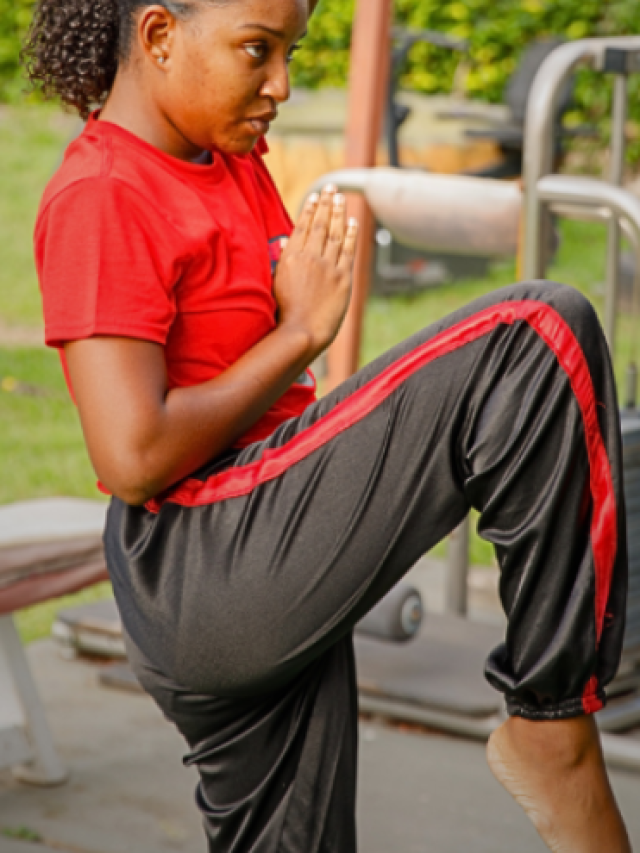
Feeling unsafe when walking alone, travelling, or going about everyday activities can create anxiety and uncertainty for many women. Sometimes, the greatest concern is not knowing what to do if a threatening situation arises. Would you recognise the warning signs? Would you know where to go? How might your body respond under pressure?
These concerns have a psychological basis. Research published in the Journal of Behavior Therapy and Experimental Psychiatry, titled Exploring Human Freeze Responses to a Threat Stressor (2008), examined how people respond to perceived threats. In a study involving 404 participants, researchers found that reported feelings of immobility were associated with subjective anxiety and panic during a laboratory challenge. Although this was not a real-world assault scenario, it illustrates how stress can influence a person’s ability to respond.
Research also suggests that preparation can make a meaningful difference to women’s confidence. A study by Weitlauf, Smith and Cervone, published in the Journal of Applied Psychology in 2000, titled Generalization Effects of Coping-Skills Training, found that women who participated in physical self-defence training reported improvements in self-defence confidence, physical self-efficacy, and assertiveness.
Anxiety often grows when we feel uncertain about what might happen and how we would respond. When you have never considered what to do in an uncomfortable or potentially dangerous situation, your mind may become overwhelmed by questions and worst-case scenarios.
Self-defence preparation helps address some of that uncertainty by replacing fear with practical knowledge and skills.
Instead of repeatedly asking yourself, “What if something happens?” you begin developing a personal safety mindset. You become more conscious of your surroundings, more familiar with your options, and more prepared to make decisions that prioritise your well-being.
This is the foundation of our self-defence message: empowerment through responsible preparation and training.
The goal is not to encourage confrontation or aggression. It is to develop awareness, preparedness, decision-making, and confidence in your ability to respond appropriately when faced with challenging circumstances.
You do not need to wait for a frightening experience before you begin preparing. Building confidence can start with small changes in your everyday habits.
One of the most valuable aspects of women’s self-defence is situational awareness. It involves paying attention to your surroundings, recognising changes in your environment, and thinking ahead about the options available to you.
Awareness is not about living in fear, becoming suspicious of everyone, or constantly expecting something bad to happen. Instead, it is about being observant, recognising when something feels uncomfortable, and making informed decisions.
For example, when walking through an unfamiliar area, take note of your surroundings, nearby businesses, entrances, exits, and places where you could seek assistance. Avoid becoming so absorbed in your phone or headphones that you lose awareness of what is happening around you.
It is equally important to recognise that you have permission to change your plans. If a particular route, location, or interaction makes you uncomfortable, you do not have to continue simply because it was your original intention.
Developing these habits can help you become more conscious of your environment and better prepared to make decisions that support your personal safety.
Research by Martha E. Thompson, published in Violence Against Women in 2023, also reinforces the importance of these skills. In Empowerment Through Feminist Self-Defense: The IMPACT Lasts, women who had completed a self-defence course reported continuing to use skills such as awareness, boundary setting, assertive body language, and managing adrenaline months and years after training.
This demonstrates that self-defence education can extend beyond physical techniques and influence how women approach everyday situations.
Being prepared means thinking about your safety before you find yourself in an uncomfortable situation.
Consider your daily routines. Are there alternative routes you could take when travelling? Do you know where you could seek assistance if you felt unsafe? Is your phone accessible when you need it? Have you considered how someone you trust could be informed of your plans when appropriate?
These may seem like simple considerations, but they form an important part of a personal safety strategy.
Planning also means understanding that avoiding confrontation is often the safest option. Creating distance, leaving an uncomfortable environment, moving towards populated areas, and seeking assistance should take priority whenever possible.
Read Related: Practice Scanning Your Space
Self-defence is not measured by your ability to fight. Sometimes, the most effective response is recognising a potential problem early and removing yourself from the situation.
Developing a personal safety plan can help reduce uncertainty and give you greater confidence when moving through your daily environment.
Awareness and planning are essential, but physical preparedness is another important part of developing personal safety.
Professional self-defence instruction introduces participants to practical movement, balance, coordination, positioning, and defensive techniques in a controlled learning environment.
For women who are new to self-defence, having the guidance of a qualified instructor provides an opportunity to learn progressively, ask questions, and practise appropriate responses without unnecessary pressure.
The emphasis should be on responsible training, understanding personal boundaries, developing body awareness, and learning when to disengage from a situation.
A good instructor will recognise that participants have different fitness levels, experiences, and comfort levels. Training should be supportive and progressive rather than intimidating.
Confidence develops through learning and repetition. As participants become more familiar with movement and techniques, they may also become more comfortable with their physical capabilities.
Importantly, no training programme can guarantee protection against violence. However, learning practical skills and developing a clearer understanding of personal safety can provide additional tools for making informed decisions.
An often-overlooked aspect of personal safety is physical conditioning.
Being physically active can support strength, cardiovascular endurance, mobility, balance, coordination, and general physical well-being. These qualities contribute to how comfortably and confidently we move through everyday activities.
This is where structured personal training becomes particularly valuable.
Our personal training system can complement self-defence education by helping women develop a stronger physical foundation. Rather than approaching fitness solely as a way to change physical appearance, conditioning can also be viewed as an investment in physical capability and confidence.
A structured programme can focus on improving muscular strength, developing cardiovascular endurance, increasing mobility, and strengthening coordination and balance.
It can also introduce progressive physical challenges in a supervised environment, helping participants become more comfortable managing exertion and maintaining composure during exercise.
This aspect of training is particularly relevant because self-defence preparation involves more than knowing what to do. It also involves developing the physical confidence to move, maintain balance, and respond appropriately when necessary.
Fitness conditioning and self-defence instruction are complementary, but they are not interchangeable. Being physically fit does not automatically provide self-defence skills. Similarly, learning defensive techniques does not replace the benefits of developing general physical fitness.
Combining both approaches creates a more comprehensive foundation for personal preparedness.
One of the biggest misconceptions about self-defence is that learning to protect yourself means becoming confrontational or physically aggressive.
Responsible self-defence education teaches a different approach.
Confidence is not about looking for a fight, intimidating others, or proving physical strength. It is about understanding your boundaries, recognising potentially unsafe situations, and knowing that you have options.
A confident woman understands that she can walk away from unnecessary confrontation, communicate her boundaries, ask for assistance, and make decisions that prioritise her well-being.
This is particularly important when considering the psychological benefits of self-defence training.
The 2000 study by Weitlauf and colleagues found improvements in women’s assertiveness and self-efficacy without evidence that training increased aggressive behaviour.
More recent research by Thompson (2023) also highlights the lasting value of awareness, boundary setting, and assertive body language.
Together, these findings reinforce our belief that self-defence should be approached as a form of personal empowerment rather than aggression.
You do not need to master every self-defence technique or completely transform your fitness level before getting started.
Begin by making awareness part of your daily routine. Pay attention to your surroundings when walking or travelling. Consider alternative routes and identify places where you could seek assistance.
Look for opportunities to improve your physical fitness through structured exercise. Consider professional self-defence instruction so you can learn practical skills under appropriate supervision.
Most importantly, practise consistently. Confidence is developed through preparation, experience, and the willingness to continue learning.
Our approach is centred on helping women recognise that personal safety is an ongoing process. It involves developing awareness, making informed decisions, improving physical capabilities, and understanding how to respond responsibly to challenging circumstances.
Through professional instruction and structured personal training, you can begin building a stronger foundation for your physical confidence and personal preparedness.
Your safety matters. You deserve to feel confident moving through your daily life without allowing fear to dictate your decisions.
Self-defence is not simply about what you can do during a confrontation. It is also about what you know before a confrontation ever happens.
Through situational awareness, personal safety planning, professional instruction, and physical conditioning, you can develop valuable skills that support a more confident and prepared approach to everyday life.
Our message is simple: empowerment through responsible preparation.
Start small. Train progressively. Stay aware. Protect your peace.
Find a qualified self-defence instructor in your area and consider booking an introductory class. You can also explore our personal training system to begin developing your strength, fitness, mobility, and physical confidence.
Make today the day you decide to train smarter, stay aware, and take a more active role in your personal safety.
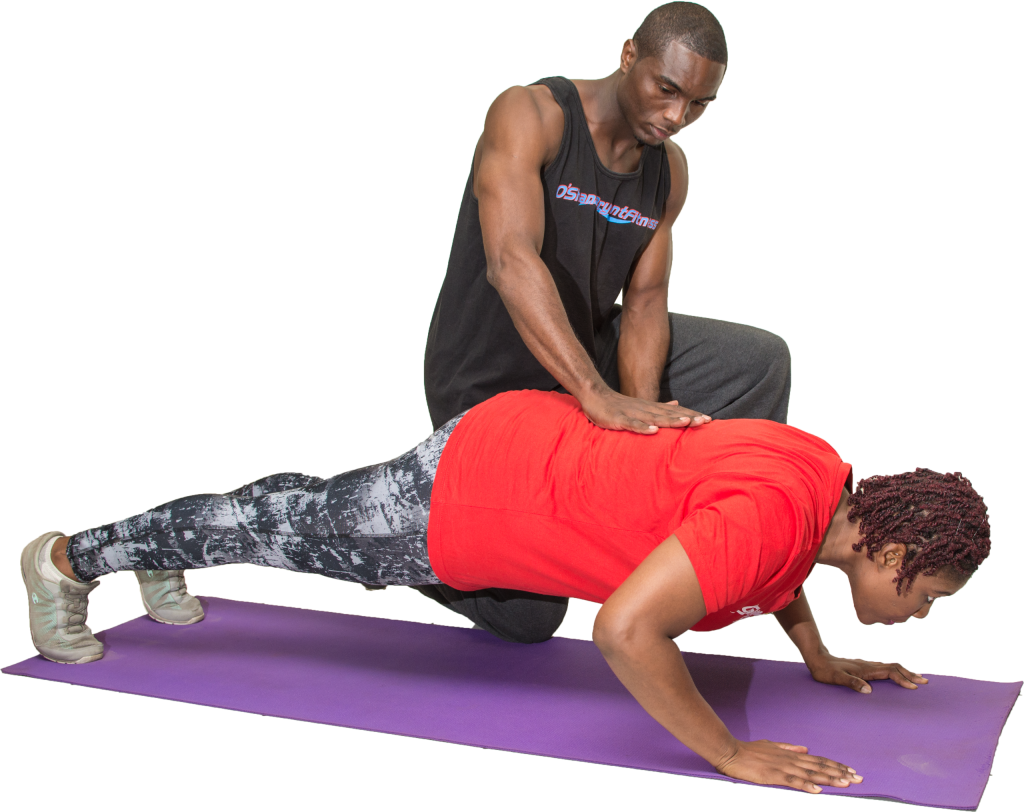
Online Training by Oshane Bryant
12 Individualized Exercise Sessions (1 Month) with Loyal Group (online) Access.