single post
Subscribe to receive all updates on O’Shane Bryant Fitness Limited.





According to The American College of Obstetricians & Gynaecologists (ACOG) press release (October 15, 2026)
“ACOG’s updated guidance now includes more detailed information about the various hormone therapy options for treatment of VMS (vasomotor symptoms-hot flashes & night sweats) and VMS-related sleep disturbances. Importantly, the updated guidance also includes more information on timing the initiation of hormone therapy to maximize its benefits while minimizing overall risks to patients…new guidance includes recommendations for the use of nonhormonal treatment options, including neurokinin receptor antagonists such as fezolinetant and elinzanetant…as well as new recommendations for evidence-based nonpharmacologic interventions for VMS, sleep, and mood symptoms, including cognitive behavioral therapy, mindfulness-based interventions, exercise, clinical hypnosis, and acupuncture.”
Indeed, the guidelines highlighted herein alone are comprehensive. And this vast collection of solutions packaged as hormonal therapy & nonhormonal therapy solutions, should serve as a source of good news for menopausal women in need of, and/or currently experiencing VMS symptoms, to engage with their OB/GYN.
My intrinsic focus, is on the role of Exercise as a treatment method for menopausal symptoms.
I share with you a combination of secondary research sources:
“Regular aerobic exercise during early postmenopause may slow vascular decline by improving NO (nitric oxide) and oestradiol (estrogen) bioavailability, promoting positive vascular remodeling and lowering systemic inflammation. However, exercise-mediated improvements in markers of vascular function are not consistently observed in oestradiol-deficient postmenopausal women. Subsequently it may be important to begin regular exercise in the years preceding and immediately following the final menstrual period to slow the progression of vascular disease risk during perimenopause and beyond.” Shing et.al, 2024; Retrieved Nov 1, 2026.
“Regular physical activity improves heart health, mood, and sleep, and may aid in reduction of hot flashes, suggesting that exercise may be a good alternative or companion to medication. Overall, research findings highlight that while menopause can be a challenging time, physical activity may mitigate detrimental changes to your quality of life.” American College of Sports Medicine; May 9, 2026 Retrieved Nov 1, 2026.
“Exercise and HRT can work together to improve menopausal symptoms, maintain bone and muscle strength, and support long-term health. Regular physical activity is one of the best investments you can make in your future health.” NHS Medical Group Retrieved Nov 1, 2026.
It is encouraging to see that the peer-reviewed findings of exercise as a treatment method of menopausal symptoms have not deviated from the general consensus that exercise is still an effective treatment modality for menopause negative physiologic effects on women. Having said this, the current body of research in exercise science/physiology, does not yield to a similar extent, recent findings on dose-specific exercise prescription modalities.
And this therefore can steer our work as exercise/fitness professionals, in a direction of practice, that can be heavily skewed to subjectivism supported by findings (for those of us research-centered as professionals) that is older than decade. Subsequently yielding outcomes in menopausal clients who work with us fitness professionals (personal trainers, group exercise instructors…), that’s dominantly negative.
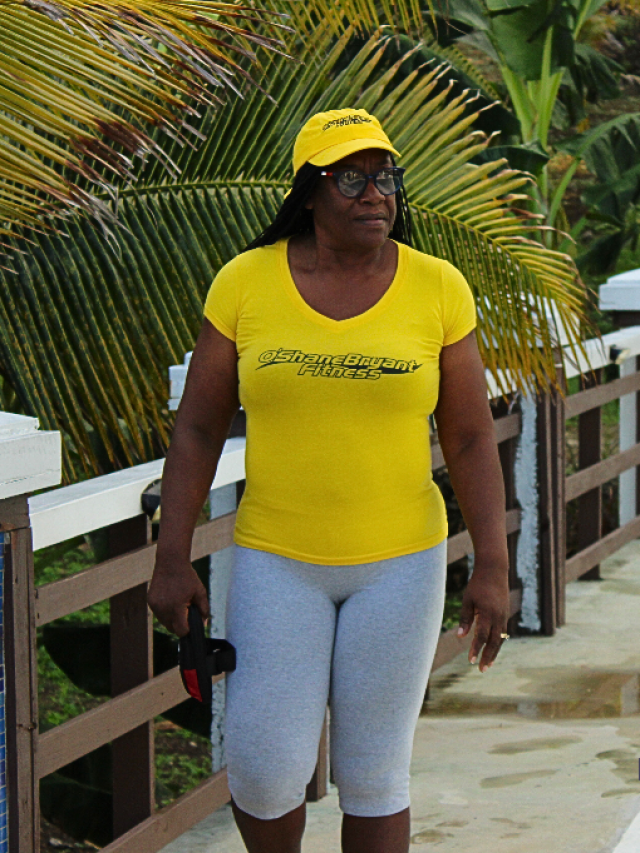
As mentioned in the previous section, exercise & physical activity can benefit menopausal women in the following ways:
Combined, these and other benefits non-mentioned can support long term health in menopausal women.
Now, within the specific realm of exercise, the benefits mentioned revolve around both aerobic (with oxygen-dominant; such as 5K run/walks & aerobic classes) and anaerobic (without oxygen-dominant; such as strength training) exercise.
Read Related: Are you getting minimum 150 minutes weekly of exercise?
How much of each you should do (exercise dosage), is where individualization (personalized) dominates. Here’s the thing, what my nearly 2 decades as a professional personal trainer have proven to me through experience, is that whilst the exercise guidelines for good health are established to us (by our doctors, fitness professional certification organizations…), the reality is that our adoption and adherence of those same guidelines on a long term basis, are mostly missed.
The reasons are aplenty, as much as we are unique as individuals. However, if i may highlight my top 2 observed challenges most menopausal women have to battle with whilst working out, they are:
And this is why, in my professional opinion, the most suitable dosage of exercise on a practical level for perimenopausal, menopausal & post-menopausal women, should be “what you feel you can manage”.
Of course, I’m not saying that if you are to fatigued and irritable in your session, working with your trainer, and you opt to exercise for 5 minutes, all the time, that that will be all.
Far from.
What I am saying is that, how you feel in your workout session with, and/or without your trainer is a major factor that requires adaptability and in many respects, ingenuity geared towards:
…
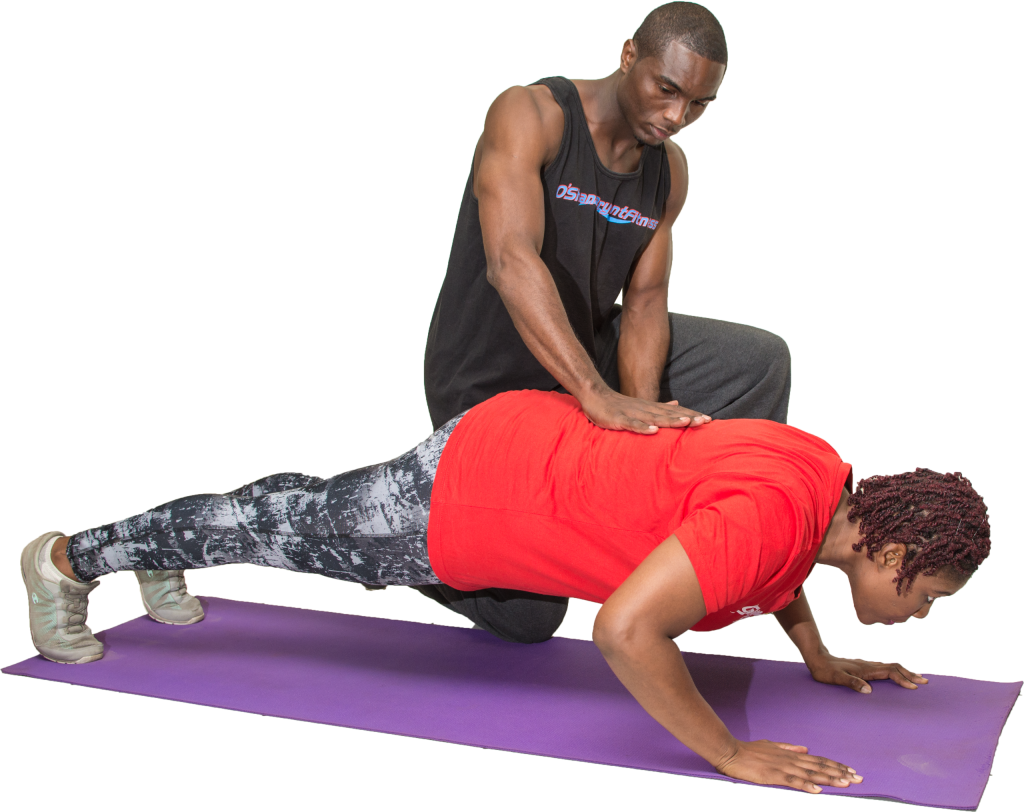
Online Training by Oshane Bryant
12 Individualized Exercise Sessions (1 Month) with Loyal Group (online) Access.